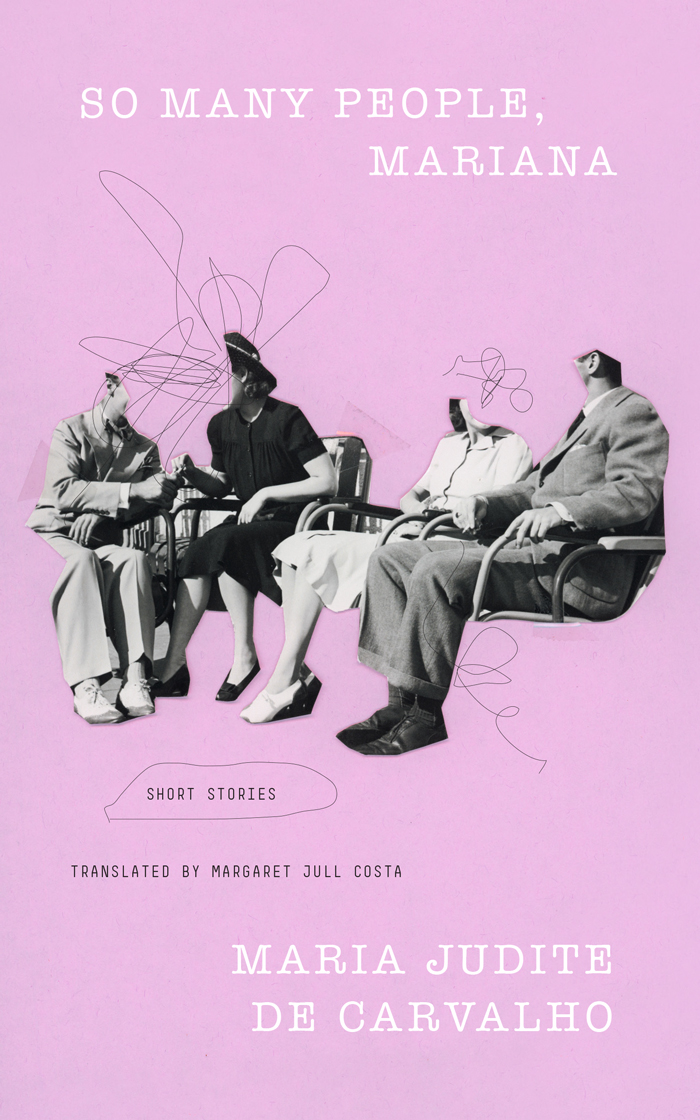
So Many People, Mariana
$19.95
Additional Info
- ISBN: 9781949641516
- Size: 5" x 8"
- Pages: 436
- Publication Date: October 10, 2023
“A definitive collection of stories by a Portuguese master of the form…united by their quiet intensity, their commitment to internal turmoil, and their enduring interest in the lives, hopes, and miseries that are unique to women.” —Kirkus Reviews (starred review)
Maria Judite de Carvalho (1921–1998) is now recognized as a major Portuguese writer of the twentieth century. In the short story she found the perfect vessel for her frank depictions of tragic, ordinary lives, and So Many People, Mariana collects her first four books of short fiction in English for the first time, telling of women and men in moments of existential conflict: with their families; with themselves; with the prospect of a better future—or any future at all. These stories, originally published between 1959 and 1967, when the Salazar dictatorship and the rigid edicts of the Catholic church reigned, are acerbic, artful, and funny. Translated by the renowned Margaret Jull Costa, Carvalho leads readers into the sensuous dark of life under patriarchal capitalism, proffering tragic visions of class-conscious malaise “as precisely and without sentiment as an autopsy” (The New York Review of Books).
Praise
One of the Most Anticipated Books of 2023 (The Millions)
“Carvalho’s rich imagery and simple style allows for a welcome breadth of vantage points… The tales stretch in length from a few pages to brief novellas, and it is in the longer stories that the writer’s talent for probing the conflict of emotions comes to the fore.” —The Times Literary Supplement
“A tour de force of domestic horrors, placidly delivered with sharp observation. Drama is infused throughout the collection: romantic affairs, long-lost love, domestic violence, nosy neighbors, murder, illness, suicide, depression. Carvalho’s characters, mostly women, are asphyxiated by their circumstances and granted no reprieve. While she never leaves her readers with loose ends, the revelations devastate. There are surprises and twists that demonstrate a command of form, irony, and humor, but no happy or satisfying endings. What emerges from these narratives is work that feels inherently political, a kaleidoscopic look at a society languishing under repression.” —Full Stop
“A definitive collection of stories by a Portuguese master of the form… The stories that make up this remarkable volume are united by their quiet intensity, their commitment to internal turmoil, and their enduring interest in the lives, hopes, and miseries that are unique to women.” —Kirkus Reviews, starred review
“Melancholic, contemplative, and often heartbreaking.” —Foreword Reviews
“These stories are bold and unsparing, quietly devastating. A fearless exploration of longing and the claustrophobia of loneliness.” —Kayla Maiuri, author of Mother in the Dark
“Maria Judite de Carvalho’s writing comes out of restriction and confinement, both personal and political. But as I read her stories, I find her way of looking so unsparingly into our shared human darkness brings me comfort and awe and at times even makes me laugh out loud.” —Karolina Ramqvist, author of The Bear Woman
“Carvalho’s story collection about ordinary women struggling to find their purpose is yet another gift to Anglophone readers. In stark, unsentimental prose, the late Portuguese literary powerhouse studies class, society, and gender with surgical precision.” —The Millions (One of the Most Anticipated Books of 2023)
“The stories swirl around characters, often women, dealing with the mundane (loneliness, belonging, bad luck) and the exceptional (love, adultery, murder) parts of living. Always acutely, beautifully written, and incredibly perceptive.” —Kelsey F., Powells City of Books (Portland, OR)
“So Many People, Mariana is a collection that takes seriously the reality, however inconvenient, of other people. In these stories, Carvalho attends to the condition of the soul, of social lives and feral deviations, and studies “the silence of [these] noises.” This phrase comes from the eponymous story and suggests, to my mind, Carvalho’s method: to listen to mechanisms, like work and marriage, that capitalism and patriarchy seek to mute, and amplify them. Carvalho stresses the muscles of money by writing holes into socks and sad hats onto women’s heads, and Jull Costa’s sleek translation reads as coolly inevitable as circumstance. These sentences lay a bloodless hand to a world flush with itself.” —Claire Foster, Type Books (Toronto)
“In one story from Maria Judite de Carvalho’s So Many People, Mariana, a man is punched in a restaurant with such force that he breaks through the live fish tank. The narrator, observing with trademark Carvalho emotional remove, notes that now at least, the fish are free to die outside their prison. Beyond the restaurant, the assault is often less literal but no less painful as the many people of Salazar’s Portugal press against the constraints of their staunchly conservative society, becoming both more dissociated and more intimate until their fragile ties begin to rupture completely. As the writer Y.B. Mangunwijaya once said: ‘You may not see things yet on the surface, but underground it is already on fire.’ This collection burns a little but I was grateful for the heat.” —Elizabeth Freeman, East Bay Booksellers (Oakland, CA)
“A beautiful collection of short stories about womanhood in many different shades of normalcy and eccentricity. A stark, unwavering voice delivers stories of grief, heartache, loneliness, and melancholy without sacrificing those important little moments of true hope. Costa’s translations are beautiful, spotlighting the voice of an author who never should have been forgotten in the first place.” —Chlöe Rain, Joseph-Beth Booksellers (Cincinnati, OH)
“I couldn’t put down this collection of spiky, more than slightly macabre, and supremely entertaining short stories about women trying to assert their autonomy in a society that is intent on devaluing them. Thankful we’re finally getting English translations of her work, because it’s more relevant than ever.” —David Vogel, Literati Bookstore (Ann Arbor, MI)
“In So Many People, Mariana, staccato sentences that cut are followed by unraveling explanations that hold the wound open. Carvalho wrote as she saw, and she saw clearly, down to the depths, through our fickle souls and to the frailty of men towards women.” —Tay Jones, White Whale Bookstore (Pittsburgh, PA)
Praise for Maria Judite de Carvalho and Empty Wardrobes
“Empty Wardrobes will give you a sense of domestic life under the dictatorship: In precise, unsentimental prose, it tells the story of three generations of women overshadowed by the death of a patriarch.” —Djaimilia Pereira de Almeida, The New York Times
“Executed as precisely and without sentiment as an autopsy… There is no doubting the authenticity of Carvalho’s vision and the originality and severity of her voice, as scathing and pitiless in her depiction of ‘empty’ women as in her depiction of oafish swaggering machismo.” —Joyce Carol Oates, The New York Review of Books
“A book about how men betray women, and how women betray each other…a work that does not hesitate to expose the cruelties and power grabs that lie beneath marriage, and how quickly society discards aging women.” —Rhian Sasseen, The Paris Review
“The specter of the patriarchy looms over this mid-20th century tale like depression itself. With the astringent wit of Natalia Ginzburg, Empty Wardrobes is a spellbinding book of domestic disorder that sparks with bitterness and humor.” —Lauren LeBlanc, The Observer
Additional Materials
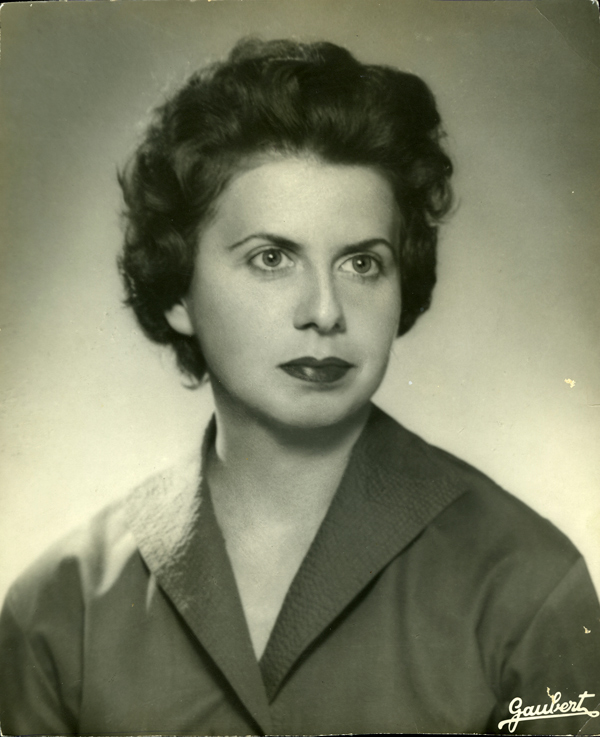
Maria Judite de Carvalho
Maria Judite de Carvalho (1921–1998) published nine collections of short stories, a novella, and two collections of crónicas over her lifetime. Widely celebrated in Portugal, she spent her career in journalism, working as an editor and columnist, and was also known for her French translations and paintings. Two Lines Press is the first to make her books available in English.
Books
Maria Judite de Carvalho (1921–1998) published nine collections of short stories, a novella, and two collections of crónicas over her lifetime. Widely celebrated in Portugal, she spent her career in journalism, working as an editor and columnist, and was also known for her French translations and paintings. Two Lines Press is the first to make her books available in English.
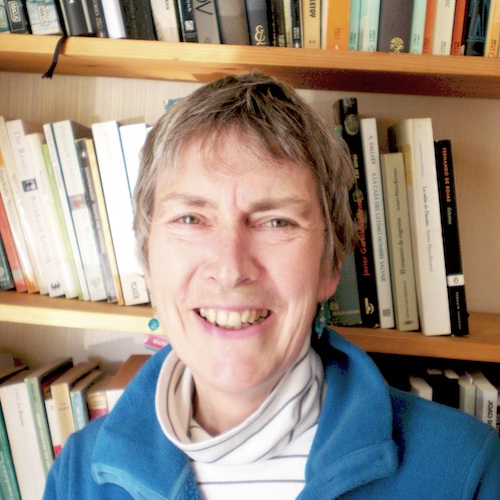
Margaret Jull Costa
Margaret Jull Costa has been a translator for over thirty years and has translated the works of many Spanish and Portuguese writers, including novelists Javier Marías, José Saramago, Bernardo Atxaga, Maria Judite de Carvalho and Eça de Queirós, as well as poets Fernando Pessoa, Sophia de Mello Breyner Andresen, Mário de Sá-Carneiro, and Ana Luísa Amaral. Her work has brought her many prizes, among them, in 1997, the International IMPAC Literary Award, for A Heart So White by Javier Marías; in 2008, the PEN Book-of-the-Month-Club Translation Prize and the Oxford Weidenfeld Translation Prize, and in 2018, the Premio Valle-Inclán for On the Edge by Rafael Chirbes.
Books
Margaret Jull Costa has worked as a translator for over thirty years, translating the works of many Spanish and Portuguese writers, among them novelists: Javier Marías, José Saramago, Eça de Queiroz, and Teolinda Gersão, and poets: Fernando Pessoa, Sophia de Mello Breyner Andresen, Mário de Sá-Carneiro, and Ana Luísa Amaral. Her work has brought her many prizes, most recently the Premio Valle-Inclán for On the Edge by Rafael Chirbes.