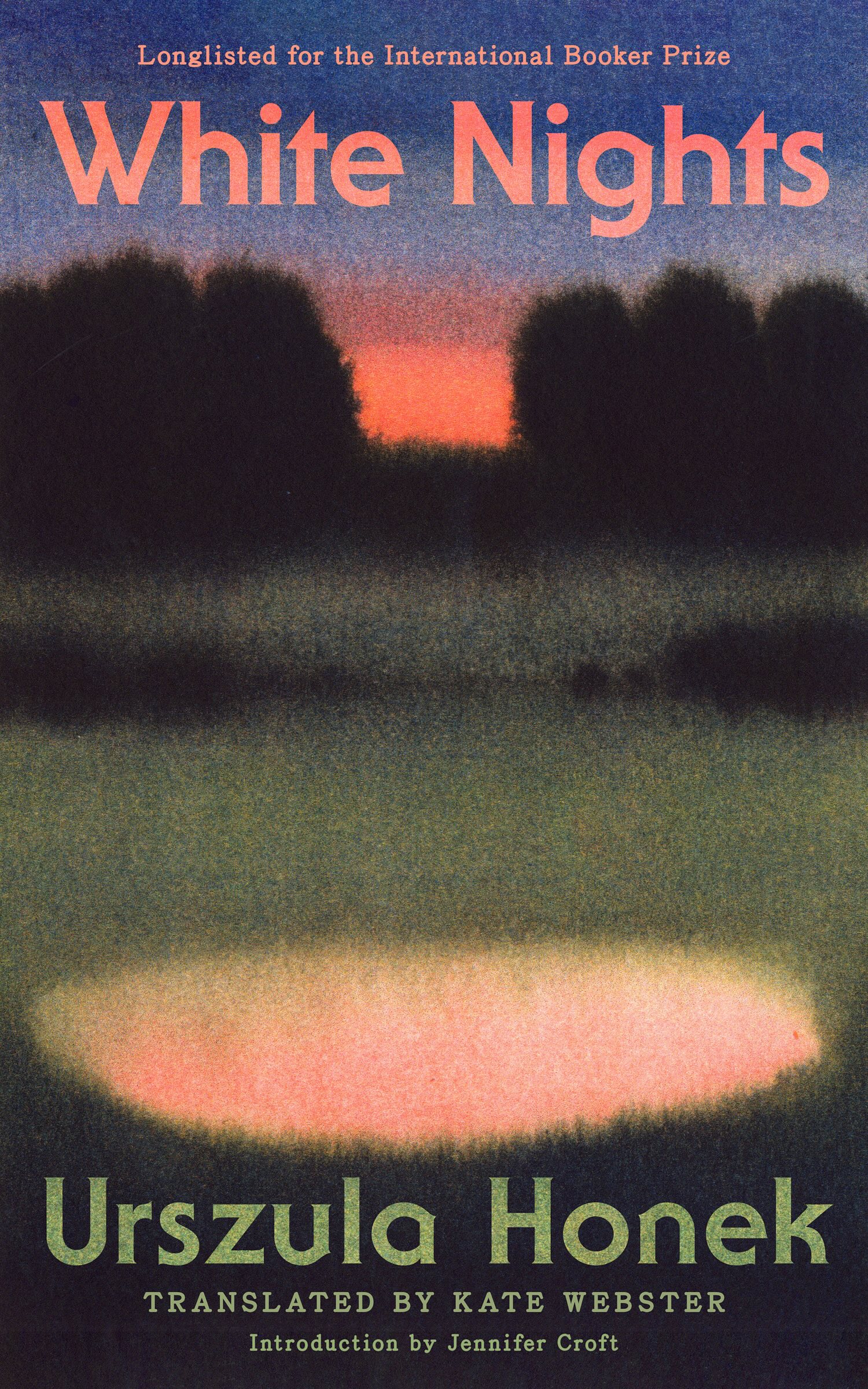
White Nights
$17.00
Additional Info
- ISBN: 9781949641912
- Size: 5" x 8"
- Pages: 178
- Publication Date: February 10, 2026
In a village in the remote countryside of southern Poland, it’s as if poverty and brutality emanate like mist from the cursed dirt.
The thirteen interconnected stories in White Nights tell of families scarred by tragedy, but also by each other. Whether by digging a pond deep in the woods, taking a lover, raising a family, or simply trying to get ahead of the endless work as the thunder rolls over their home, Urszula Honek’s characters share, with the sincerest care and honesty, a local—yet so clearly universal—story of ruin and hope.
With an introduction by Jennifer Croft.
Praise
Longlisted for the International Booker Prize
Winner of the Witold Gombrowicz Literary Prize
Winner of the Kościelski Award
Shortlisted for the Warwick Prize for Women in Translation
“White Nights is astonishing. Its power is cumulative; as one story follows another, a net tightens around the small town in which its characters live, breathe, work, and die. Honek affords her characters the dignity of their own wrecked lives, which she sketches so vividly that their pain leaps from the page. A short story collection with the impact of an epic. I will remember this book for a long, long time.” —John Darnielle, author of Devil House
“White Nights is a dark, lyrical exploration of the ways in which people seek meaning and belonging in a transient world.” —International Booker Prize judging committee
“White Nights is a spectral and affecting novella-in-stories that illumines postwar life in an out-of-the-way Polish village.” —Foreword Reviews
“Honek with complete cruelty, but also mastery, symbolically kills her influences. She stands firmly on her own two feet, moving readers with her own voice–immediately clear, set and full.” —Paulina Małochleb, Empik Critics’ Choice
“White Nights is akin to reading an account of a haunted place–one that is beautiful and devastating in equal measure… Though firmly categorizable as literary fiction, my eerie detector prickled at the dreamlike, latent danger threading through these interconnected chronicles.” —Jennifer Brough, Litro Magazine
Additional Materials
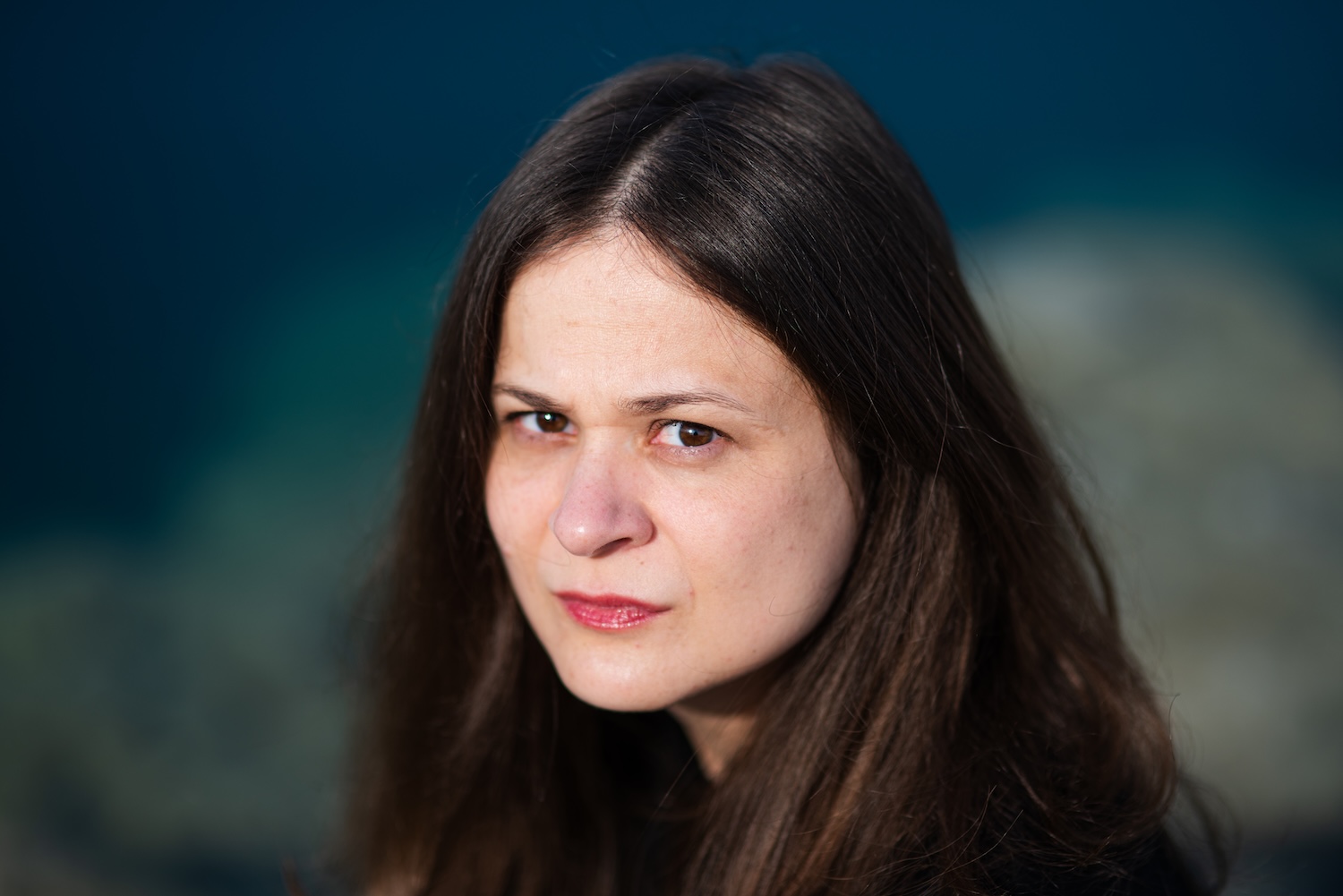
Urszula Honek
In addition to White Nights, Urszula Honek is the author of three poetry books, each of which received numerous awards. She has held scholarships from the Maria Anna Siemieńska Grazella Foundation (2016), as well as from the Ministry of Culture and National Heritage (2017). Urszula also received the Kraków UNESCO City of Literature Prize, in 2020, and the Adam Włodek Prize, in 2021. Białe noce, (White Nights), her first prose collection, was nominated for both Polityka’s Passport Award and the Grand Continent Prize, in 2022, and in 2023 it was nominated for the Witold Gombrowicz Literary Prize and won the Conrad Award. Urszula has also won the Kościelski Award, which is given to the most promising Polish writer under the age of 40.
Books
In addition to White Nights, Urszula Honek is the author of three poetry books, each of which received numerous awards. She has held scholarships from the Maria Anna Siemieńska Grazella Foundation (2016), as well as from the Ministry of Culture and National Heritage (2017). Urszula also received the Kraków UNESCO City of Literature Prize, in 2020, and the Adam Włodek Prize, in 2021. Białe noce, (White Nights), her first prose collection, was nominated for both Polityka’s Passport Award and the Grand Continent Prize, in 2022, and in 2023 it was nominated for the Witold Gombrowicz Literary Prize and won the Conrad Award. Urszula has also won the Kościelski Award, which is given to the most promising Polish writer under the age of 40.

Kate Webster
Kate Webster is a translator of Polish to English specializing in literature, academic texts, and the arts. Her published translations include works of fiction, fantasy, and reportage, as well as children’s books and comics. Her work has been shortlisted for the Warwick Prize for Women in Translation (2024) and the Oxford-Weidenfeld Prize (2023), and longlisted for the International Booker Prize (2024). She is based in London.
Books
Kate Webster is a translator of Polish to English specializing in literature, academic texts, and the arts. Her published translations include works of fiction, fantasy, and reportage, as well as children’s books and comics. Her work has been shortlisted for the Warwick Prize for Women in Translation (2024) and the Oxford-Weidenfeld Prize (2023), and longlisted for the International Booker Prize (2024). She is based in London.
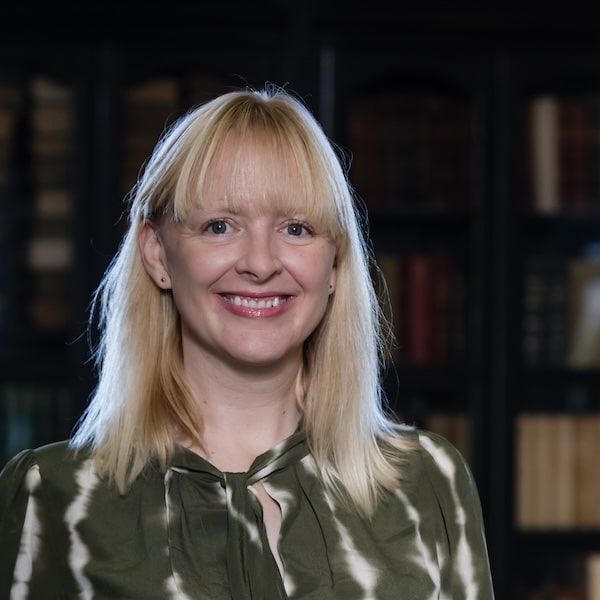
Jennifer Croft
Jennifer Croft won a 2022 Guggenheim Fellowship for her novel The Extinction of Irena Rey, the 2020 William Saroyan International Prize for Writing for her illustrated memoir Homesick, and the 2018 International Booker Prize for her translation from Polish of Nobel laureate Olga Tokarczuk’s Flights. She is also the translator of Federico Falco’s A Perfect Cemetery, Romina Paula’s August, Pedro Mairal’s The Woman from Uruguay, and Olga Tokarczuk’s The Books of Jacob (a finalist for the Kirkus Prize). In 2023, she received an American Academy of Arts and Letters Award in Literature. She lives in Tulsa, Oklahoma, with her husband and twins. (Photo Credit: Kelly Kurt Brown)
Jennifer Croft won a 2022 Guggenheim Fellowship for her novel The Extinction of Irena Rey, the 2020 William Saroyan International Prize for Writing for her illustrated memoir Homesick, and the 2018 International Booker Prize for her translation from Polish of Nobel laureate Olga Tokarczuk’s Flights. She is also the translator of Federico Falco’s A Perfect Cemetery, Romina Paula’s August, Pedro Mairal’s The Woman from Uruguay, and Olga Tokarczuk’s The Books of Jacob (a finalist for the Kirkus Prize). In 2023, she received an American Academy of Arts and Letters Award in Literature. She lives in Tulsa, Oklahoma, with her husband and twins.